
standing vanity mirror with lights
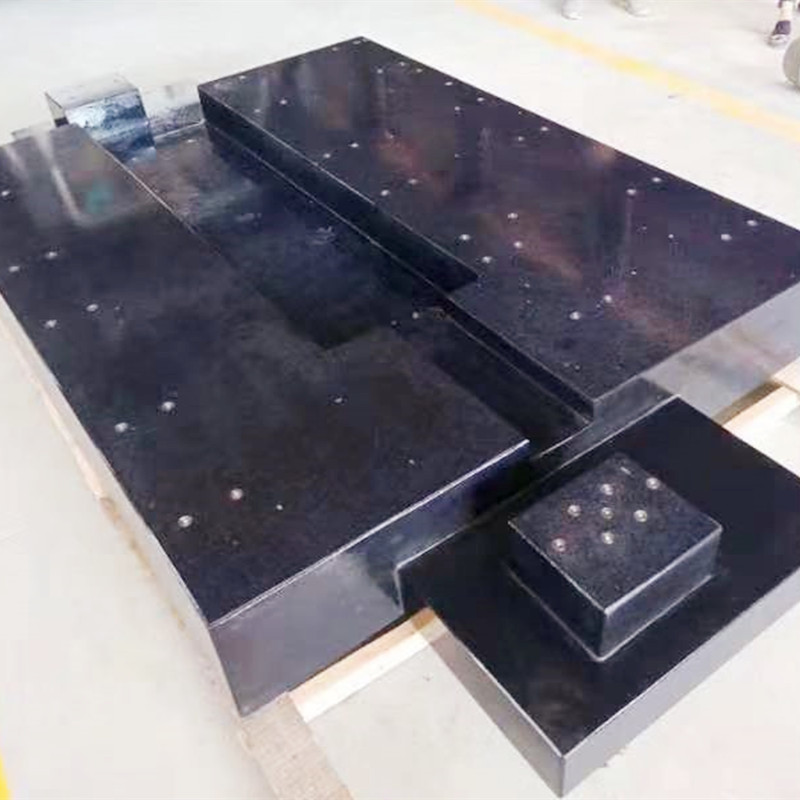
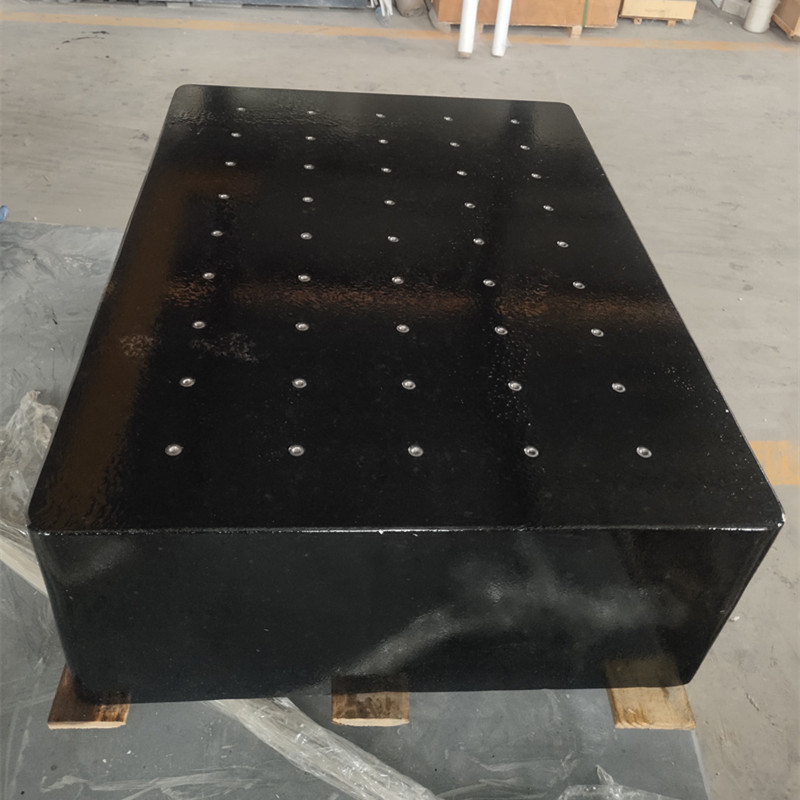
Precision in 3D Welding Tables Enhancing Fabrication Processes In the world of fabrication and manufacturing, precision is the cornerstone that dictates the quality and reliability of the final product. This is particularly true in the realm of 3D welding tables, where the accuracy of assembly plays a crucial role in determining both the efficiency of the process and the quality of the welded components. As industries continue to embrace advanced technologies and automation, the need for precision in 3D welding tables becomes more pronounced, affecting everything from design to production. Understanding 3D Welding Tables A 3D welding table is a specialized fixture designed to hold and align workpieces during the welding process. These tables are equipped with a rigid structure that provides stability and reduces distortion caused by heat during welding. The incorporation of adjustable components allows for versatile configurations, accommodating various shapes and sizes of materials. For industries such as aerospace, automotive, and construction, where precision is non-negotiable, the ability to easily adapt the welding table to different projects is invaluable. The Importance of Precision Precision in 3D welding tables ensures that each component is accurately positioned before the welding process begins . This accuracy is vital for several reasons 1. Reduction in Rework and Waste When components are precisely aligned, the likelihood of misalignment during welding is significantly reduced. This minimizes the risk of defects that could necessitate rework or lead to scrap, ultimately saving both time and materials. 2. Enhanced Quality Control Consistency is key in manufacturing. A precision 3D welding table enhances quality control by ensuring that each weld is made under the same conditions. This standardization leads to predictable results across batches, which is crucial for meeting industry quality standards. precision 3d welding table 3. Improved Structural Integrity Proper alignment during welding contributes to the overall strength and durability of the welded assembly. Precision tables help achieve even heat distribution, which is essential in preventing warping and ensuring the mechanical properties of the materials are retained. 4. Increased Workflow Efficiency With a precision 3D welding table, operators can spend less time on setup and adjustments. The convenience of predefined settings allows for rapid transitions between projects, maximizing productivity without sacrificing quality. Technological Advancements in Welding Tables The evolution of technology has significantly impacted the design and functionality of 3D welding tables. Modern tables often incorporate features such as digital measuring instruments, automated adjustment mechanisms, and CAD/CAM integration. These advancements enable welders to achieve greater accuracy in less time, making the welding process more efficient. Moreover, the incorporation of smart technology allows for real-time monitoring and data collection. Operators can analyze performance metrics and make informed decisions to optimize the welding process. This level of precision not only improves the quality of the welds but also provides valuable insights that can drive continuous improvement in manufacturing practices. Conclusion In conclusion, precision in 3D welding tables is essential for enhancing fabrication processes across various industries. The ability to maintain accuracy during the welding process directly influences the quality of the final product, the efficiency of production, and the overall robustness of the assembly. As technology continues to advance, the integration of smart solutions and automated systems will further elevate the standards for precision in welding. Investing in precision 3D welding tables is not merely an option; it is a necessity for any organization committed to delivering high-quality, reliable, and durable products. Embracing precision will not only ensure compliance with industry standards but also foster innovation and competitiveness in a rapidly evolving market.
about
standing vanity mirror with lights
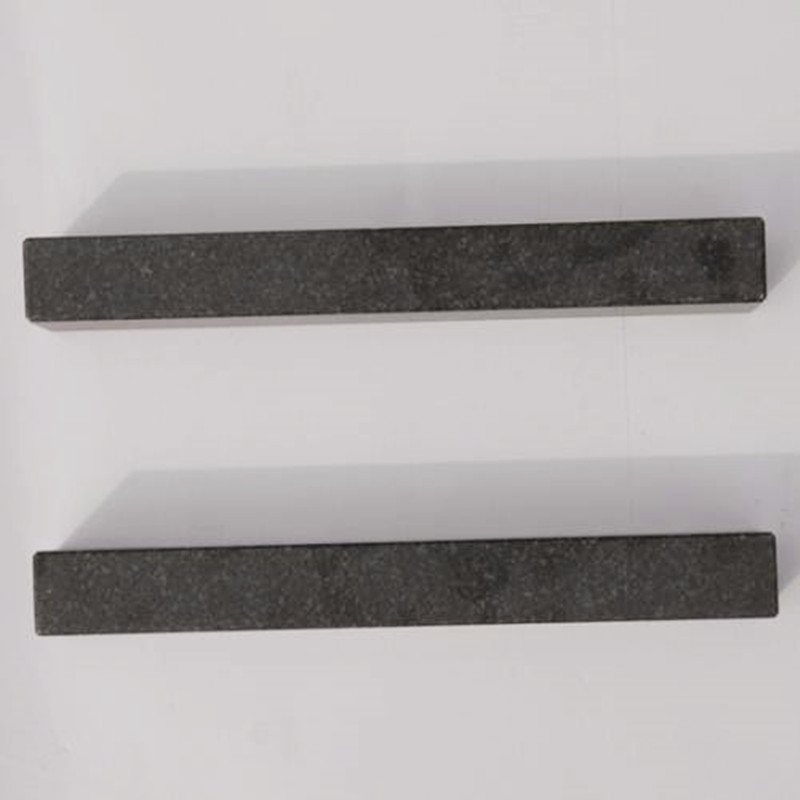
Understanding the Importance of Inspection Rulers in Quality Control In the realm of manufacturing and quality control, precision is paramount. One tool that has proven invaluable in ensuring accuracy and maintaining high standards is the inspection ruler. This seemingly simple instrument plays a crucial role in measuring the dimensions of products and components, aiding manufacturers in delivering top-quality goods to their customers. An inspection ruler, often marked with precise measurements, is designed to provide accurate readings of lengths, widths, and heights of various objects. It serves as a fundamental tool in the inspection phase of production processes. By enabling users to measure items with precision, inspection rulers help to confirm that products meet specified tolerances and dimensions, as outlined in their design requirements. One of the primary industries where inspection rulers are extensively used is in manufacturing. In this sector, products must meet strict regulatory standards and customer expectations. For example, in the automotive industry, every component, from engine parts to body shells, must adhere to tight tolerances to ensure functionality and safety. Any deviation from these specifications can lead to significant issues, including product recalls or safety hazards . Inspection rulers allow quality control inspectors to quickly verify that parts are within acceptable limits, reducing the likelihood of defective products reaching consumers. inspection ruler Moreover, inspection rulers are not limited to measuring linear dimensions; they can also be used in conjunction with other measurement tools to assess angles, contours, and even depths. For example, when inspecting machined parts, engineers may utilize a combination of an inspection ruler and calipers to ensure all features of the component are within the required specifications. This multi-faceted approach to measurement enables more thorough quality assurance processes and contributes to overall product excellence. In addition to their application in manufacturing, inspection rulers are also crucial in fields such as construction and woodworking. In these industries, precision is equally important, as inaccuracies can lead to structural failures or increased costs due to material waste. Carpenters and construction professionals rely on inspection rulers to measure lengths for cutting materials accurately, ensuring that construction projects proceed smoothly and that safety standards are upheld. Furthermore, the advent of digital inspection tools has complemented traditional inspection rulers. Digital calipers and laser measurement devices provide more advanced capabilities and improved accuracy. However, the classic inspection ruler remains a staple in the toolkit of quality control professionals. Its simplicity, reliability, and ease of use make it a preferred choice for many. In conclusion, inspection rulers play a vital role in maintaining quality in various industries. They not only ensure that products meet specific measurements but also protect manufacturers from potential liabilities associated with defective goods. As industries continue to evolve and embrace new technologies, the fundamental principles of precise measurement and quality control remain unchanged. The humble inspection ruler, with its critical role in verifying dimensions and ensuring product integrity, is an essential tool that will continue to be relied upon for years to come. By prioritizing precision and quality through tools like inspection rulers, manufacturers can uphold their commitments to excellence and customer satisfaction.
-

High quality industrial productsagement

High quality industrial products
View Details -

Meet the diverse needs of customers

Meet the diverse needs of customers
View Details -

Strict quality control

Strict quality control
View Details -

Top raw materials

Top raw materials
View Details -

Trusted supplier

Trusted supplier
View Details
Our application


news and information
Y Type Strainer Valve for Efficient Fluid Filtration and Flow Control
Understanding Y-Type Strainer Valves Importance and Applications In various industrial and commercia
Valvola di ritegno da 4 pollici
La valvola di ritegno da 3 4 pollici è un componente essenziale nei sistemi idraulici e pneumatici.
Valvola a farfalla da 250 mm per applicazioni industriali e sistemi di controllo del flusso
Valvola a Farfalla da 250 mm Un Componente Essenziale per la Regolazione dei Fluidi La valvola a far
 English